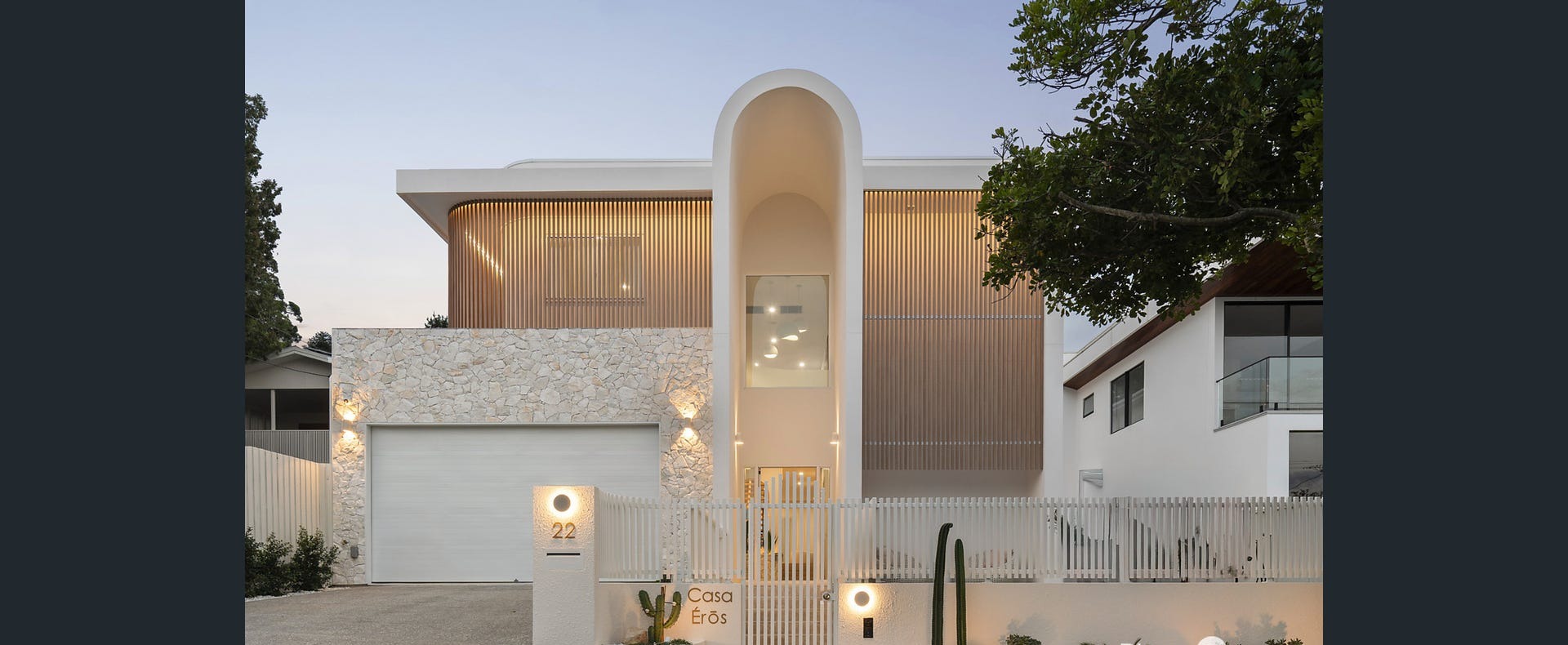
22 Hobart Avenue sold for $4,320,000 in 21 days. For a $4M+ home in Camp Hill, that pace signals one thing: the campaign brought buyers to the table at the same time.
Multiple buyer groups registered interest in the opening week. By the time the campaign closed, they were competing. The seller chose between offers. That shift from negotiation to selection is what a structured campaign is designed to produce. With a single buyer, you accept their best number. With competing buyers, the market sets the price.
A campaign with a hard deadline concentrates buyer attention in a way that open-ended negotiations cannot. Serious buyers act rather than signal interest and wait. Every party knows others are in the room. When buyers understand they are competing, the safety buffer disappears. The number they put forward is their real number.
Multiple groups competed on Hobart Avenue. When buyers know they are in a race, the seller stops negotiating and starts choosing.
Buyers at the $4M level have lost properties before. They know what a cautious first offer achieves in a competitive process: nothing. That experience makes them bid honestly from the start. When the campaign is structured to create competition, that honesty works in the seller's favour.
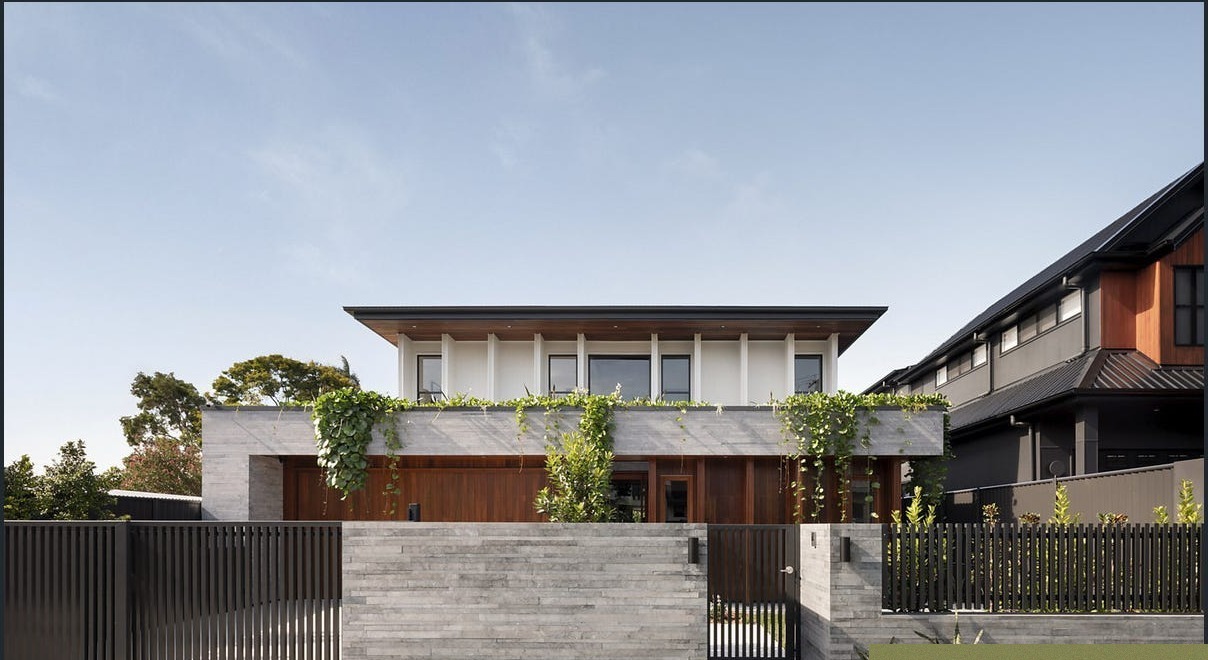
June's data makes the point plainly. 10 Akala Street: same suburb, same 607m² block, same month. It sold for $70,000 less after 118 days on market. The property was comparable. The campaign was different. Those 97 extra days cost the seller $70,000 and months of disruption.
Sellers preparing for the second half of 2026 have one lever that matters above all others: campaign structure. A complete product in a well-run competitive process with a hard deadline lets the market set the price. Hobart Avenue is the clearest example of that in Camp Hill this year.